Learn About stucco plastering
Learn About stucco plastering
Blog Article
Plastering Services: Attain a Perfect Finish for Your Interiors
Plastering services play a significant role in boosting the look of interiors. By converting uneven walls into polished finishes, these services not only raise appearance but also tackle structural concerns. Various approaches exist, each appropriate for different needs and preferences. Grasping these options can be critical for homeowners. What factors should one weigh when choosing the supporting information right plastering process? The answer may surprise you.
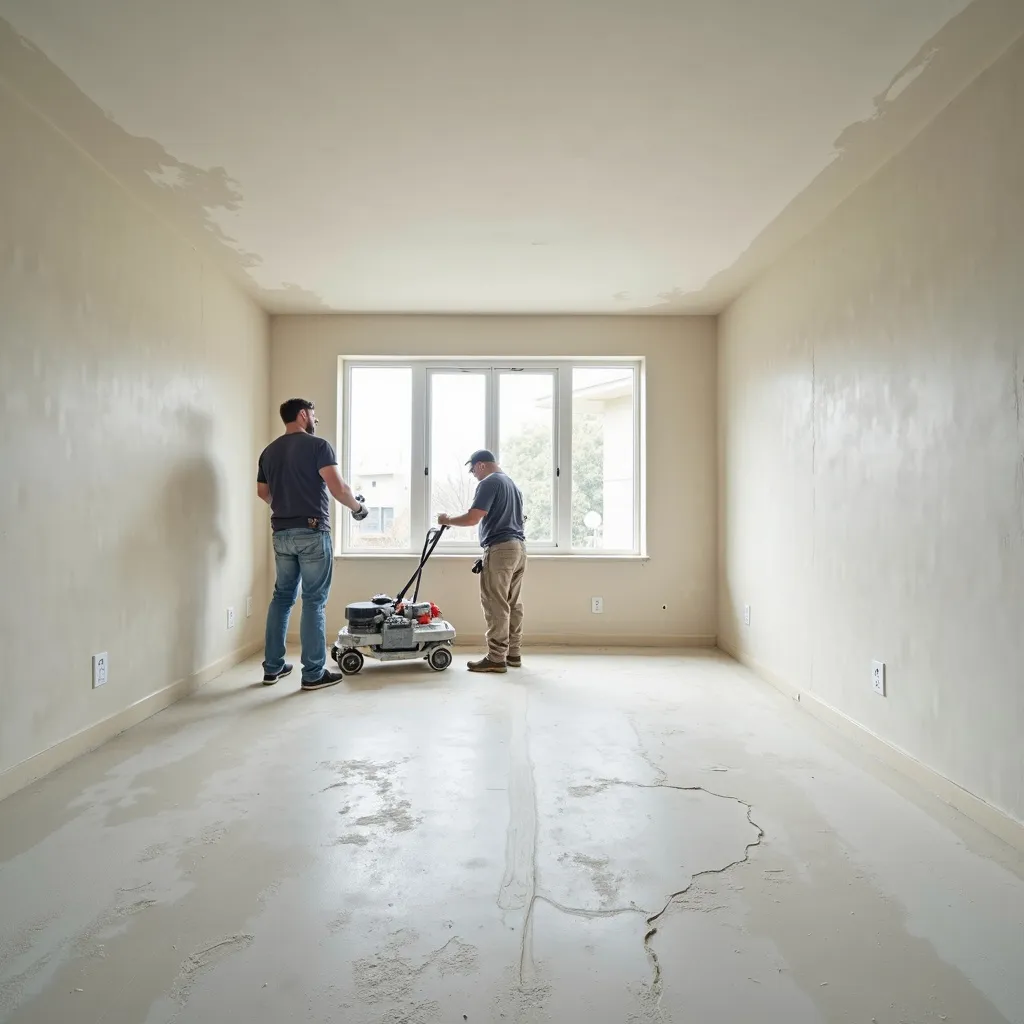
The Fundamental Rewards of Professional Plastering
Skilled plaster professionals offer substantial benefits that elevate the standard of indoor spaces. This expert service enhances the visual beauty of surfaces, providing a uniform and smooth surface that is impressive in appearance. Furthermore, professional plaster application contributes to improved longevity, protecting surfaces from wear and deterioration over time. The application of superior plaster can further promote superior thermal performance, regulating temperature and possibly reducing energy costs.
Additionally, experienced plastering professionals possess the skills and expertise essential to detect and correct core problems, such as dampness or construction defects, before they intensify. This proactive approach not only assures a flawless finish but also increases the longevity of the work. Furthermore, the use of advanced materials and techniques promises a excellent final product, making spaces more inviting and comfortable. Ultimately, opting for professional plastering expertise lays the foundation for stunningly completed indoor spaces that withstand the test of time.
Common Plastering Methods and Their Uses
Various plastering techniques meet different aesthetic and functional needs in interior spaces. One typical technique is time-honored plaster application, which entails applying a base coat followed by a finish coat, creating a polished finish ideal for paint application. Another technique is skimming, where a thin layer of plaster is spread over existing walls to restore their appearance without extensive repairs.
Textured plaster application provides aesthetic appeal and can hide imperfections; techniques such as textured knockdown or stucco coating produce unique surfaces suited for different interior styles. Venetian plaster, a premium option, delivers a elegant, refined look through multiple layers and specialized installation methods, often enhancing the ambiance of upscale interiors.
Finally, drywall finishing is frequently employed for new constructions, offering an effective way to complete walls and ceilings. Each technique serves different purposes, enabling homeowners and designers to achieve desired visual appeal while ensuring durability.
How to Pick the Optimal Plastering Approach for Your Area
Determining the best plastering technique requires a careful assessment of the wall's condition and the specific functionality of the space. Understanding these factors helps identifying the most appropriate products to use. By considering both the surroundings and practical needs, you can achieve an well-considered decision that enhances the space.
Assess Your Wall State
How can one determine the most appropriate plastering technique for their space? Evaluating the wall condition is essential in this decision-making process. The first step involves inspecting for fissures, moisture, or uneven surfaces, which can influence the selection of plastering method. For instance, walls with major defects may need repair before plastering, while smoother surfaces might be suited to a simple skim coat. Additionally, identifying the type of wall material—such as drywall or masonry—is vital in selecting the right plaster. A comprehensive evaluation ensures that the chosen technique not only improves appearance but also provides lasting durability. Ultimately, understanding the wall's condition enables for informed decisions that lead to a flawless finish.
Evaluate Space Usability
When deciding on the greatest plaster application for a space, understanding the room's functionality is critical. Different areas of a home serve particular purposes, which can influence the plastering approach. For case in point, frequently-used rooms like hallways may benefit from more long-lasting finishes that resist wear, while bedrooms might highlight aesthetics and smooth textures for enhanced comfort.
Additionally, damp spaces such as bathrooms require specialized techniques to prevent mold and damage. In contrast, living rooms could emphasize ornamental plaster applications to improve visual appeal. By aligning the plastering technique with the specific use of each room, one can achieve not only a perfect surface but also ensure longevity and functionality tailored to the environment's needs.
Pick Proper Supplies
What options are most ideal for plastering in a particular space? The choice of plastering products greatly determines the appearance and resilience of the area. Traditional lime-based plaster is perfect for older buildings, providing flexibility and breathability, which prevents moisture accumulation. Gypsum plaster, known for its quick setting time, is suitable for modern interiors and provides a even finish. For high-moisture areas, such as bathrooms, moisture-resistant plaster is suggested to prevent mold growth. Additionally, taking into account the underlying surface is crucial; plaster should bond properly to materials like brick or concrete. Ultimately, choosing the suitable plastering material improves both aesthetics and functionality, ensuring the interior spaces stay attractive and durable over time.
Essential Indicators That You Need Qualified Plastering
When assessing the requirement for professional plaster work, multiple important indicators can indicate hidden problems. Fractures and openings, uneven wall surfaces, and evidence of moisture damage are vital factors to take into account. Tackling these problems quickly can avoid further decline and ensure a even, visually pleasing interior.
Cracks and holes significantly affect both the look and structural soundness of indoor spaces. These flaws not only hurt the overall look but can also point to internal problems within the walls. Minor cracks may appear trivial, but they can spread over time, causing more damage. Holes, whether made by nails or other things, create weak spots that harm insulation and energy efficiency. Homeowners should not ignore these indicators; addressing them quickly with professional plastering guarantees a smooth finish and stops more expensive repairs later. Ignoring cracks and holes could lead to higher maintenance costs and an unpleasant environment, making prompt action crucial for maintaining the appearance and longevity of indoor spaces.
Irregular Wall Finishes
Uneven walls can greatly lessen the visual attractiveness of a home, indicating the requirement for professional plastering services. Homeowners often observe discrepancies in wall texture, with certain areas appearing uneven or bumpy. These defects can result from poor installation, building movement, or wear over time. An uneven surface not only alters the appearance but can also obstruct the application of paint or wallpaper, resulting in an unwanted result. Also, light can throw shadows on uneven walls, further highlighting flaws. Engaging qualified plasterers guarantees that these surfaces are evened, offering a uniform base for additional layers. A smooth wall adds greatly to a home’s feel and worth, making timely intervention essential.
Water Damage Clues
Water damage can appear in multiple forms, often indicating the urgent need for professional plastering services. Homeowners should be watchful for particular indicators. Stains or discoloration on walls and ceilings are main signs, often appearing as yellow or brown patches. Flaking or bubbling paint also indicates underlying moisture issues, as does the presence of mold or mildew, which can harm indoor air quality. Additionally, if walls feel damp to the touch or emit a damp odor, it may signal hidden water damage. Cracks or chipping plaster can further expose structural concerns linked to moisture infiltration. Addressing these signs promptly with professional plastering services is essential for maintaining a safe and attractive living environment.
What Amount Should You Anticipate for Plaster Installation?
How what amount should one plan to spend in plaster application for internal areas? The expense of plastering varies considerably depending on several elements, including the dimensions of the area, the type of plaster applied, and the complexity of the work. On typically, homeowners can anticipate spending between $1.50 to $3.50 per square foot for basic plaster application. For more specialized finishes, such as Venetian plaster, costs may increase to $6 or more per square foot.
Extra expenses may develop from preparatory work, such as fixing existing walls or ceilings. Labor costs also form a vital element, with skilled plasterers establishing hourly rates that can fluctuate between $25 to $75. Ultimately, procuring multiple quotes from licensed professionals can supply a clearer picture of the expected investment, ensuring homeowners decide with knowledge while reserving money for their plastering projects.
Maintenance Tips for Your Newly Plastered Interiors
After purchasing plastering services for interiors, maintaining the freshly completed surfaces becomes important for longevity and look. Regular dusting with a soft, dry cloth helps prevent dirt accumulation. It's advisable to avoid abrasive cleaners that can damage the surface. Instead, mild soap mixed with water can be used for occasional cleaning.
Humidity control is paramount; high moisture levels can trigger mold issues or deterioration. Using a dehumidifier in humid zones can curtail this hazard. To prevent scratches and dents, use furniture pads under heavy items.
Review the plaster periodically for cracks or chips, resolving any issues promptly to prevent further damage. In summary, applying a suitable sealant can improve wear resistance and ease of cleaning, confirming the plaster sustains its aesthetic appeal throughout time. Following these upkeep guidelines will help safeguard the beauty and integrity of newly plastered interiors.
Standard Questions Frequently Presented
What Period Can You Anticipate When Plastering a Surface?
Plastering usually takes 1-3 days to finish, contingent upon the size of the area and the intricacy of the project. Drying time can lengthen the overall process, requiring more time for superior results.
May I apply Plaster Over old Wallpaper or Paint?
Plastering over current wall finishes is generally not recommended. The surfaces may obstruct effective adhesion, producing cracks or peeling. For best results, taking off wall coverings before plastering is advisable.
What Choices in Plaster Products Are Available?
Multiple types of plaster solutions are offered, containing gypsum plaster, lime plaster, cement plaster, and acrylic plaster. Each category delivers distinctive properties, ideal for diverse purposes, environments, and intended aesthetics, satisfying varied construction and design requirements.
Can Plaster work be Used for Outside Applications?
Plastering can be appropriate for exterior projects, notably when employing specialized exterior plasters that combat water and temperature variations. These compounds improve longevity while offering a durable and visually attractive coating for different outdoor materials.
How Can I Prepare My Room Before Plaster Installation?
To prepare a room for plastering, one should remove furniture, cover floors with drop cloths, clean walls, repair any damage, and guarantee proper ventilation. Adequate preparation guarantees a easier application and better final results.
Report this page